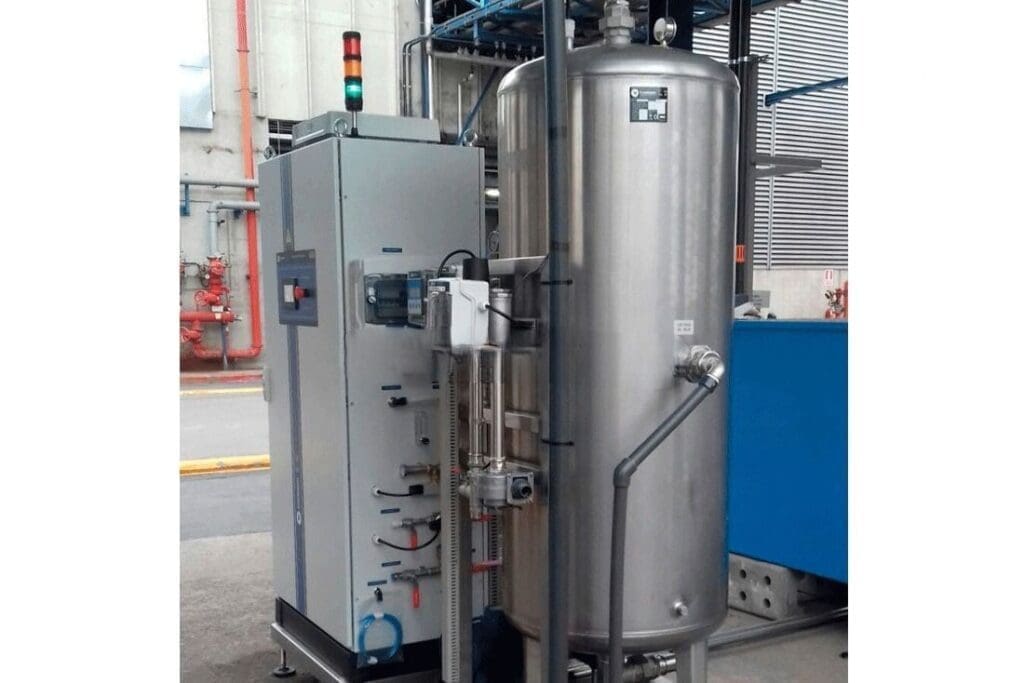
Functioning and use of ozone generators
Our ozone generators, eco-friendly devices, produce ozone for disinfection purposes. Ambient air is drawn into the device, where an electrical discharge splits oxygen molecules into free atoms, which recombine to form ozone. The released gas neutralizes bacteria, viruses, and harmful microorganisms through oxidation in the area to be sanitized. Precautions must be taken when handling these devices, as prolonged or high exposure to ozone can harm health.
Types of generators available
Various types of our devices exist depending on their production method: electrical discharge or ultraviolet (UV) radiation. Models using electrical discharge are more common due to their superior performance. UV-based devices are also effective but offer less power. Sizes and capacities vary among models; they can be used in diverse settings ranging from residential to commercial, including industrial. Portable models even ensure effective disinfection during travel.
Direct ecological benefits
Adopting an eco-friendly disinfection method provides notable environmental benefits. It helps reduce the carbon footprint by avoiding chemical products, which are significant sources of greenhouse gas emissions.
These methods also lead to a significant reduction in water pollution. Substances used in conventional treatments often end up in rivers, disrupting aquatic habitats and harming biodiversity.
Lastly, they safeguard local species and our health by avoiding toxic substances. For both present and future generations, adopting sustainable practices like those offered by these environmentally friendly methods is imperative.
Health advantages
Elimination of bacteria, viruses, and mold
Eco-friendly disinfection stands out for its ability to effectively eliminate bacteria, viruses, and mold. Using natural compounds or renewable energy neutralizes these pathogens without relying on harsh chemical products.
Purification of drinking water
Beyond ensuring the cleanliness of surfaces and ambient air, eco-friendly disinfection actively contributes to the purification of drinking water. It provides a solution to eradicate biological contaminants in water without altering its quality or taste.
Reduction of allergenic risks
A major health benefit of eco-friendly disinfection is undoubtedly the reduction of allergenic risks. By avoiding the use of chemical substances that are often irritating to the respiratory tract or skin, this method significantly minimizes the risk of allergies related to their use.
Potential application sectors
In Agriculture and farming
Ozone disinfection methods are highly relevant in agriculture. They effectively combat pathogens without compromising soil quality or agricultural products. Specifically, they protect soil biodiversity, a crucial aspect of sustainable farming. This non-toxic strategy also reduces the risk of pesticide exposure for agricultural workers.
In hospitals
Hospitals represent another domain where this technique can be successfully implemented. Eco-friendly disinfection processes reduce the use of aggressive chemical substances while ensuring a high level of hygiene. This helps create a healthy environment for patients and medical staff while mitigating the environmental impact associated with daily hospital operations.