Revolutionizing potato processing with ozone: A smart, sustainable solution
In today’s competitive and increasingly health-conscious food industry, potato processors are turning to ozone technology to optimize quality, safety, and sustainability. Whether you’re producing fresh-cut fries, chips, or dehydrated potato flakes, integrating ozone into your processing line offers clear advantages that go far beyond traditional sanitization methods.
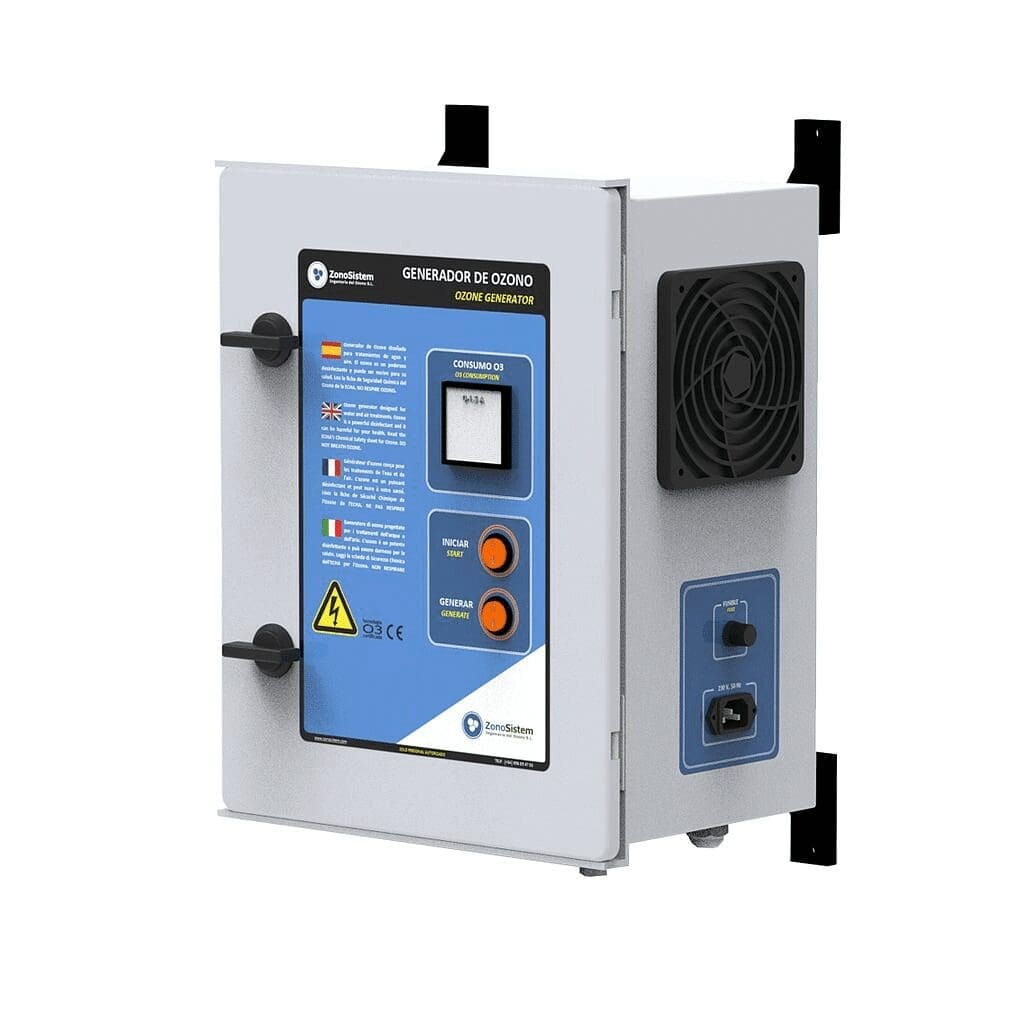
Applications of ozone in potato processing
- Pre-washing and cleaning:
Before peeling or cutting, potatoes are washed to remove soil, bacteria, and other contaminants. Ozone-infused water enhances this step by eliminating microbial loads, including E. coli, Salmonella, and Listeria, without the need for harsh chemicals. - Surface sanitization of equipment:
Ozone gas or aqueous ozone can be used to sanitize conveyor belts, slicers, and storage bins—reducing downtime and ensuring a safer working environment. - Enzyme reduction and browning control:
In fresh-cut applications, enzymatic browning is a major concern. Ozone helps inhibit polyphenol oxidase activity, reducing browning and preserving the potato’s natural appearance longer. - Wastewater treatment:
Ozone breaks down organic solids and pathogens in wastewater from potato washing and peeling lines, enabling companies to reuse water or discharge it with fewer environmental concerns. - Storage and mold prevention:
Low-level gaseous ozone in potato storage facilities can help suppress mold and sprouting, extending shelf life and reducing spoilage.
Key benefits for potato processors
- Enhanced food safety: Significantly reduces pathogens without harmful residues.
- Sustainability: Reduces reliance on chemical sanitizers and minimizes water consumption.
- Cost savings: Fewer chemicals, less water waste, and extended product shelf life.
- Product quality: Brighter, fresher-looking potato cuts with improved taste and texture.
- Regulatory approval: Ozone is FDA- and USDA-approved for direct contact with food.
Real-world impact
Processors who have adopted ozone report up to 99.9% microbial reduction, reduced chemical costs by as much as 30%, and improved consumer satisfaction through cleaner labels and fresher products. For example, one North American potato chip manufacturer integrated ozone into its wash cycle and saw a 20% increase in shelf stability for its fresh-cut potato line.
Future-forward processing
As the industry shifts toward cleaner, greener practices, ozone is no longer optional—it’s a competitive advantage. Whether you’re a small producer or a large-scale processor, investing in ozone technology is a smart step toward higher standards and long-term success.