The clear choice: Why ozone is edging out chlorine in food processing plants
Food safety is paramount in the processing industry, and for decades chlorine has been the disinfectant par excellence. However, ozone is increasingly coming to the fore. This powerful natural gas is proving to be a more effective, environmentally friendly and often safer solution for ensuring the hygienic integrity of our food supply.
While an effective sanitizer, chlorine can react with organic matter present in food and processing environments to form disinfection byproducts (DBPs) such as trihalomethanes (THMs) and haloacetic acids (HAAs). Some of these DBPs are suspected carcinogens and are subject to increasingly stringent regulatory limits. Furthermore, chlorine can be corrosive to equipment, its effectiveness is pH-dependent, and it can sometimes impart undesirable tastes or odors to treated food products. Concerns also exist regarding the environmental impact of chlorinated wastewater discharge.
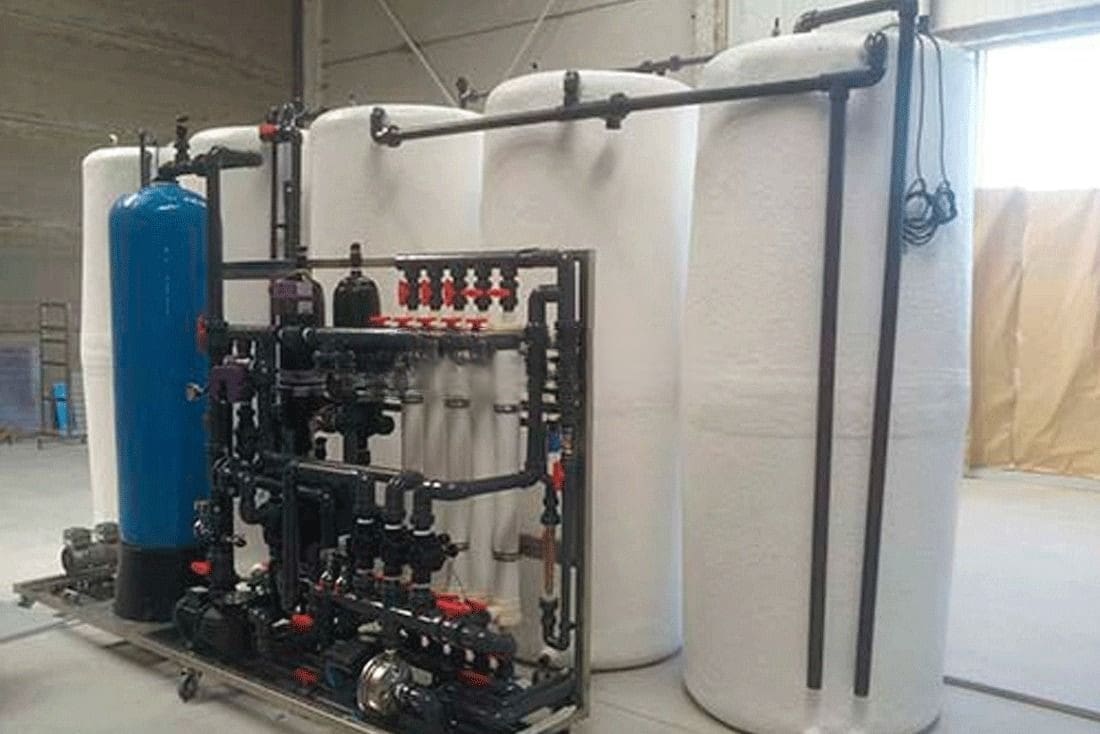
Ozone, on the other hand, offers a compelling array of advantages that address many of chlorine’s shortcomings.
Superior disinfection power and speed
Ozone is a significantly more potent oxidizing agent than chlorine. It acts much faster – often cited as thousands of times quicker – in neutralizing a broad spectrum of microorganisms, including bacteria, viruses, molds, yeasts, and protozoa. This rapid and thorough action is crucial in high-throughput food processing environments.
No harmful chemical residues
One of the most significant benefits of ozone is its inherent instability. After its disinfection work is done, ozone naturally decomposes back into ordinary oxygen (O₂) within a relatively short period. This means it leaves no harmful chemical residues on food surfaces, processing equipment, or in wastewater, eliminating concerns about DBP formation and the need for final rinsing in many applications. This “residue-free” characteristic is particularly appealing for organic food processing and for maintaining the natural taste and aroma of food products.
Enhanced food quality and extended shelf life:
By effectively reducing microbial loads on fruits, vegetables, meats, poultry, and seafood, ozone treatment can help extend their shelf life. It can also neutralize ethylene gas, a plant hormone that accelerates ripening and decay in some produce. Importantly, when applied correctly, ozone achieves these benefits without negatively impacting the nutritional value, color, or texture of the food.
Environmental stewardship
Ozone generator is an environmentally sound choice. It is generated on-site from oxygen (either from ambient air or concentrated oxygen), requiring no transportation or storage of hazardous chemicals. Its decomposition into oxygen means that no persistent, harmful substances are released into the environment through wastewater. This aligns with the growing industry and consumer demand for more sustainable and “greener” processing practices.
Regulatory acceptance and versatility
Recognizing its safety and efficacy, regulatory bodies worldwide have paved the way for ozone’s use in food processing. In the United States, ozone has achieved Generally Recognized As Safe (GRAS) status from the Food and Drug Administration (FDA) for direct contact with food and food contact surfaces. Similar approvals exist in other major regions, including Europe. Ozone’s versatility allows it to be applied as a gas or dissolved in water, making it suitable for a wide range of applications, including surface sanitation, water disinfection and recycling, and direct food product treatment.
Operational and cost efficiencies
While the initial investment in ozone generation equipment can be higher than for traditional chlorine systems, long-term operational costs can be lower. Savings can be realized through reduced chemical purchasing, lower water consumption (as rinsing is often unnecessary), and decreased wastewater treatment costs. On-site generation also eliminates the logistical complexities and safety hazards associated with handling and storing chlorine.
The Future is ozonated
As the food processing industry continues to prioritize safety, quality, and sustainability, the compelling benefits of ozone are becoming increasingly clear. Its superior disinfection capabilities, lack of harmful residues, positive impact on food quality, and environmental advantages position it as a leading replacement for traditional chlorine-based sanitation methods. While challenges exist, ongoing technological advancements and a growing body of successful applications are solidifying ozone’s role as the future standard for hygiene in food processing plants worldwide.