Ozone for laundries: A powerful, eco-friendly cleaning solution
Ozone laundry systems are revolutionizing the way we clean clothes by offering an effective, energy-efficient, and environmentally friendly alternative to traditional washing methods. Ozone (O₃) is a naturally occurring gas with strong oxidizing properties that help break down organic and inorganic contaminants, making it a powerful disinfectant for laundry applications.
How it works?
Ozone is introduced into the wash water, where it dissolves and reacts with bacteria, viruses, mold, and other pathogens, effectively sanitizing fabrics. The oxidation process also helps break down oils, dirt, and stains, reducing the need for harsh chemical detergents and high-temperature water. After its job is done, ozone naturally reverts to oxygen, leaving no harmful residues behind.
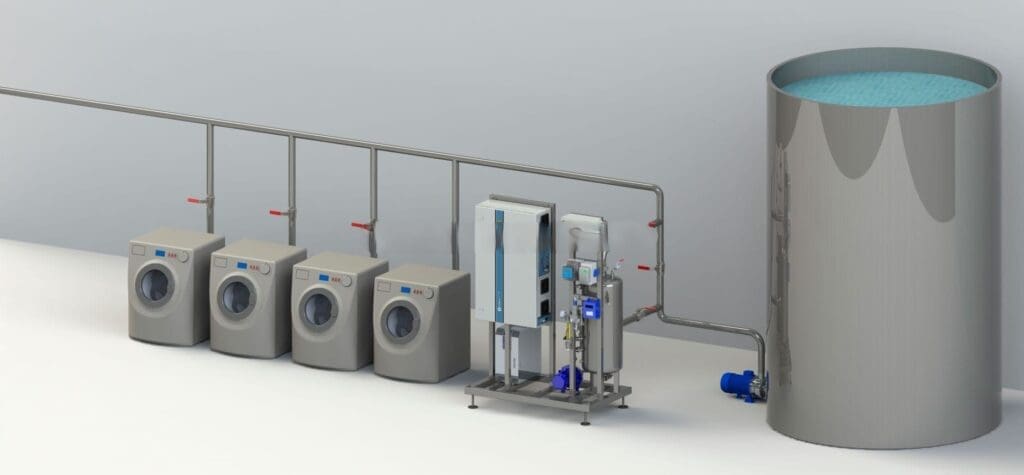
Benefits of ozone laundry system
- Superior cleaning & sanitization – Ozone eliminates bacteria, viruses, and odors more effectively than chlorine-based disinfectants.
- Energy & water savings – Since ozone works well in cold water, it reduces energy consumption and lowers utility costs.
- Eco-friendly – Less reliance on hot water and detergents means fewer chemicals are released into the environment.
- Fabric longevity – Cold water washing with ozone is gentler on textiles, extending the life of linens and clothing.
- Faster drying times – Ozone-treated water improves moisture extraction, reducing drying times and further saving energy.
Who can benefit?
Ozone laundry systems are widely used in hotels, hospitals, nursing homes, gyms, and commercial laundries due to their sanitization power and cost savings. Homeowners looking for an eco-conscious laundry solution can also explore residential ozone laundry units.
By adopting ozone technology, businesses and households alike can achieve cleaner, fresher laundry while reducing environmental impact and operational costs.