Using ozone for treating and eliminating ethylene
Ethylene is a naturally occurring plant hormone responsible for regulating various physiological processes, including fruit ripening, flower wilting, and leaf shedding. However, in post-harvest environments such as storage facilities, greenhouses, and transportation networks, excessive ethylene accumulation can lead to premature ripening, spoilage, and reduced shelf life of fruits, vegetables, and ornamental plants. As a result, ethylene control has become a critical focus in the agricultural and food industries. One of the most promising and effective methods for managing ethylene levels is the use of ozone (O₃), a powerful oxidizing agent that can break down ethylene molecules safely and efficiently.
Understanding the role of ozone in ethylene removal
Ozone is a triatomic molecule composed of three oxygen atoms and is widely recognized for its strong oxidative properties. When ozone interacts with ethylene (C₂H₄), it triggers a chemical reaction that leads to the breakdown of ethylene into harmless byproducts—carbon dioxide (CO₂) and water (H₂O). The reaction follows this simplified equation:
C₂H₄ + O₃ → CO₂ + H₂O
By oxidizing ethylene, ozone effectively reduces its concentration in enclosed environments, thereby slowing down the ripening process and extending the freshness of perishable produce.
Advantages of using ozone for ethylene control
The application of ozone as an ethylene remover offers multiple benefits over conventional ethylene control methods, such as activated carbon filters, ventilation systems, and chemical scrubbing. Some of the key advantages include:
- Highly effective oxidation – Ozone rapidly breaks down ethylene molecules, reducing their presence in storage facilities and minimizing premature ripening and spoilage.
- Non-toxic and Eco-friendly – Unlike some chemical treatments, ozone does not leave harmful residues on food products. It decomposes back into oxygen, making it an environmentally sustainable choice.
- Broad-spectrum purification – In addition to eliminating ethylene, ozone helps in the reduction of microbial contaminants, mold, and airborne pathogens, contributing to overall produce hygiene and safety.
- Improved storage conditions – By maintaining lower ethylene levels, ozone enhances storage efficiency and reduces food waste, leading to economic savings for producers and retailers.
- Automated and controlled application – Ozone generation systems can be customized and automated to maintain optimal concentration levels, ensuring consistent and safe treatment in various storage settings.
Applications of ozone in ethylene management
Ozone is utilized across various sectors to mitigate ethylene-related issues. Some common applications include:
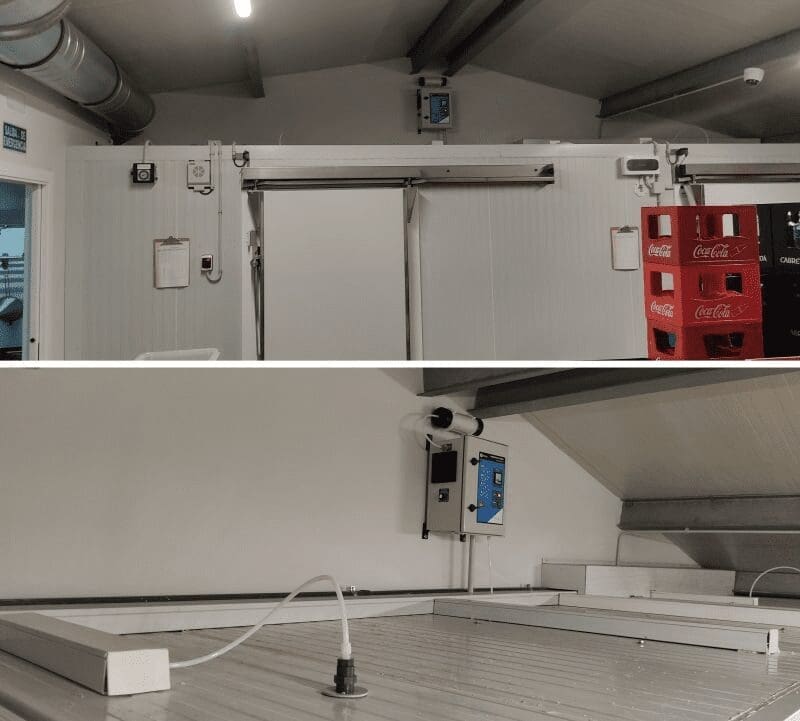
- Cold storage facilities – Ozone generators are installed in fruit and vegetable storage units to continuously remove ethylene and maintain product freshness.
- Greenhouses – Controlled ozone treatment helps regulate ethylene levels, preventing unwanted ripening of fruits or excessive plant stress.
- Transportation and logistics – Mobile ozone units are used in shipping containers and refrigerated trucks to preserve produce quality during long-distance transport.
- Floral industry – Ozone treatment is used to extend the shelf life of cut flowers by preventing ethylene-induced wilting.
- Food processing and retail – Supermarkets and food storage centers employ ozone technology to enhance produce longevity and reduce inventory losses.
Considerations and best practices for ozone use
While ozone is a highly effective ethylene treatment tool, its application requires careful management to avoid excessive exposure that could potentially harm sensitive produce or pose risks to human handlers. The following best practices should be followed and our team is ready to help you.
- Proper concentration levels – Ozone concentrations must be optimized based on the type of produce being stored, as excessive levels may cause oxidation damage to certain fruits and vegetables.
- Controlled exposure Time – Continuous low-level ozone treatment is preferred over intermittent high-dose applications to maintain a balanced storage environment.
- Ventilation and monitoring – Ozone levels should be regularly monitored, and proper ventilation should be maintained to ensure safe air quality for workers and prevent ozone buildup.
- Compliance with safety regulations – Ozone use must adhere to safety guidelines established by regulatory bodies.
Our ozone treatment is a powerful, sustainable, and effective method for eliminating ethylene and preserving the quality of perishable goods. Its ability to oxidize ethylene molecules, combined with its additional benefits of microbial control and air purification, makes it a valuable tool for the agricultural, food storage, and transportation industries. By implementing proper ozone generation and monitoring techniques, businesses can significantly enhance product longevity, reduce waste, and improve overall supply chain efficiency. As technology advances, ozone treatment is expected to become an even more integral component of post-harvest management strategies, ensuring fresher produce for consumers worldwide.